Back to Projects & Testimonials
Whaddon Grove Farm: Planting Trees for Productive Farming
Bordered by a chattering stream and alive with birdsong, Whaddon Grove Farm, a family-run organic livestock enterprise owned by Richard and Helen Allan, has been transformed over the last 20 years with trees integrated into a myriad of functions.

About Whaddon Grove
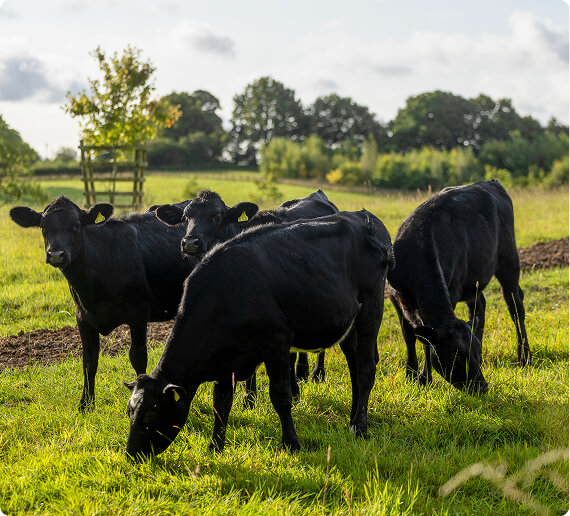
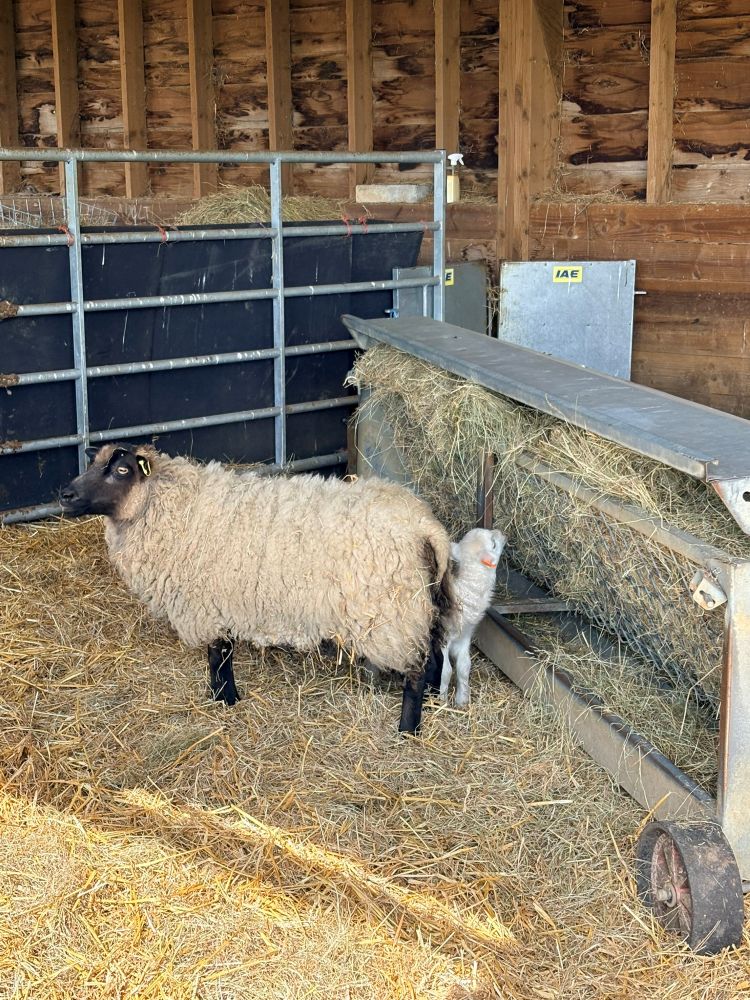
Alongside its direct-to-consumer organic lamb and beef enterprise, Whaddon Grove Farm sells breeding livestock and uses its hardy native breeds to deliver conservation grazing on land that includes sites of archaeological importance. The enterprise is built around Devon Ruby Red cattle and Shetland sheep, two hardy native breeds selected for their ability to thrive on forage-based diets with minimal external inputs.
Guided by their principle of ‘putting more back into the land than we take from it’, alongside their successful business the Allans’ farm boasts an abundant mixed landscape of herbal leys, hedgerows, woodlands and scattered trees that support the local wildlife. From diverse bird populations to the visiting beavers, the farm is a thriving ecosystem where nature and food production support one another.

Trees working for the farm business
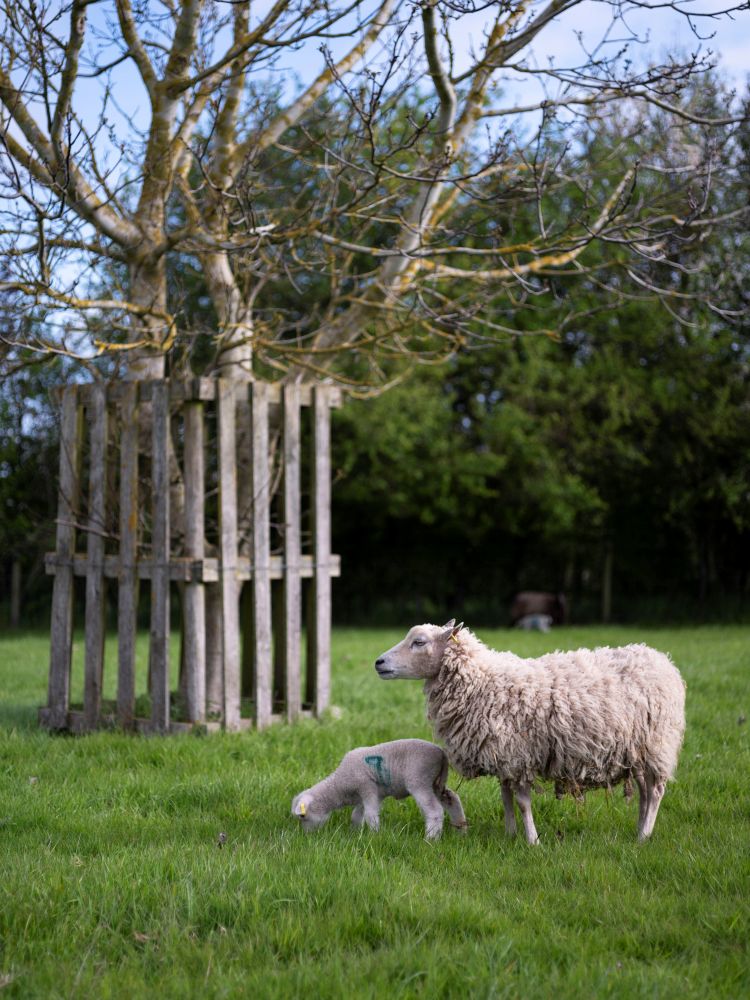
Thousands of trees have been added to expand the farm’s woody habitat. These hedgerows, orchards, riparian (riverside) planting and scattered in-field trees now form a key part of the working landscape. – regulating water, protect soils and improve grazing conditions throughout the year.
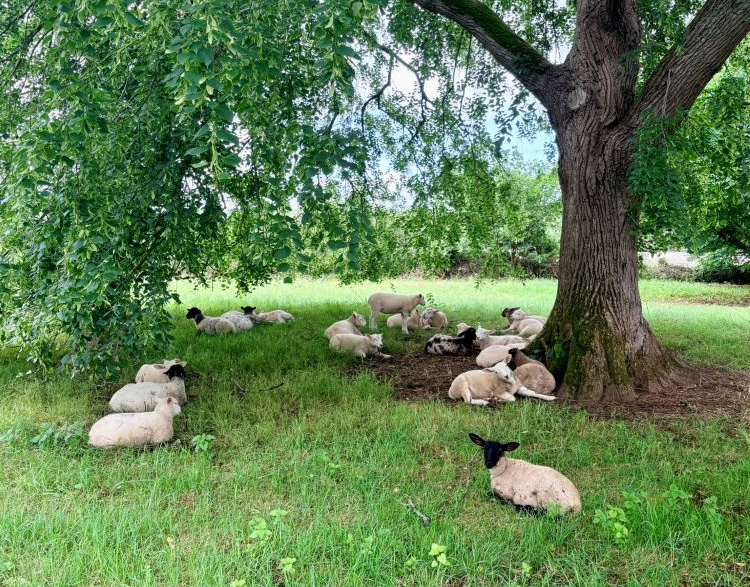
Livestock welfare is enhanced by multiple shade and shelter options, as well as providing access to diverse and nutritious browse to supplement their diet – especially valuable when grass growth is stunted by hot or wet weather.

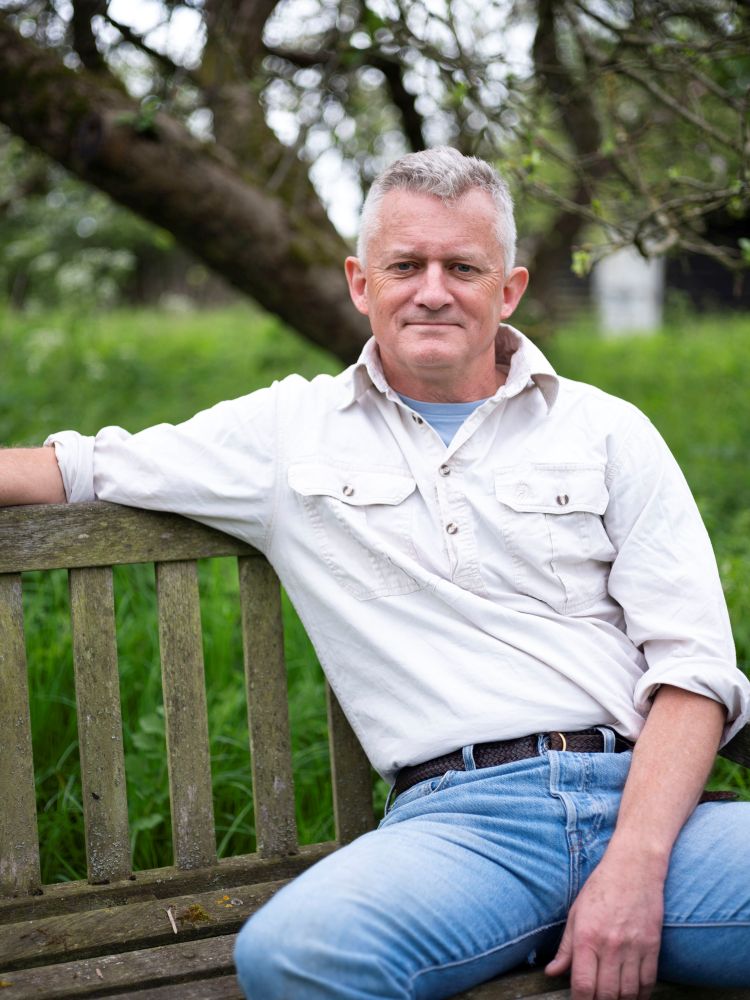
“We’ve taken 21% of our land out of active farming and raised production by 35%”
"Livestock are happier"
The tree root systems improve water infiltration and soil structure, supporting grass growth, extending the grazing season and reducing the adverse impacts of our increasingly drought and downpour-prone weather.
The farm’s in-field trees are planted at low-density which allows sufficient light for diverse herbal leys to flourish and benefit from improved soil health and water retention – which in turn helps extend the grazing season. Combined with the natural fertility provided by clover-rich pastures, these well-planned trees help reduce dependence on purchased feed, fertiliser and infrastructure.
The multiple shade and shelter options also contribute to better livestock welfare, and provide them with diverse, tasty and nutritious browse to supplement their diet – especially valuable when grass growth is stunted by hot or wet weather.
The Allans also produce wood chip for animal bedding and soil improvement. The orchards provide apples for apple juice and, true to local heritage, a particularly punchy cider.
“There are far less flies on the cattle because the birds are predating them”
Supporting Wildlife
The same features that support production also deliver benefits for wildlife. Hedgerows, meadows and woodland edges provide habitat and wildlife corridors for birds, pollinators and other species, while permanent pasture and tree roots help build healthy soils and store carbon.

Lessons from Whaddon Grove
Whaddon Grove Farm demonstrates how trees and woody habitats can become productive assets for a thriving farm business. Key lessons include:
- Trees provide natural shelter and shade, improving livestock welfare, reducing weather-related stress and providing animals with direct access to varied and extended season forage
- Trees can improve grassland productivity and extend grazing seasons by increasing water infiltration, enhancing soil structure and boosting resilience to drought and extreme weather.
- Woodchip for bedding and soil improvement, and tree fodder that supplements livestock diets can reduce farm input costs
- Trees support biodiversity without compromising production, creating diverse habitats and wildlife corridors
Whaddon Grove demonstrates how traditional mixed farming landscapes can function as highly productive and resilient agroecological systems, proving that profitable food production, animal welfare and ecological restoration can be achieved together.
Related Projects